Artistic Style
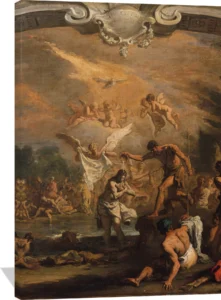
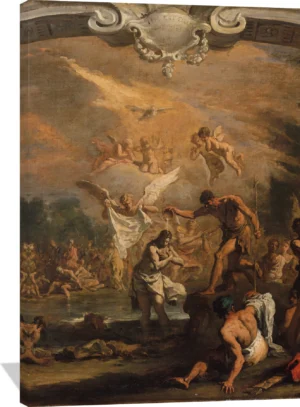
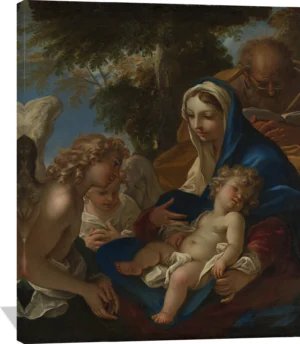
Ricci’s style blends the grandeur of the Baroque with a refined lightness that anticipates the Rococo. His paintings are distinguished by vibrant palettes, graceful movement, and a confident, expressive touch. He often employed atmospheric luminosity and dynamic figure arrangements, creating scenes that feel both theatrical and effortlessly natural.
Subjects and Themes
Throughout his career, Ricci explored religious narratives, mythological episodes, and allegorical themes. Whether depicting saints, deities, or historical figures, he infused his compositions with warmth and emotional immediacy. His treatment of classical subjects balanced dramatic storytelling with visual harmony, making his work appealing to both ecclesiastical and aristocratic patrons.
Legacy and Significance
Ricci played a crucial role in revitalizing Venetian painting in the early eighteenth century. His international commissions helped disseminate the Venetian tradition abroad, influencing artists across Europe. As a precursor to the Rococo, he contributed to a stylistic shift marked by elegance, coloristic brilliance, and a renewed interest in decorative charm. Today he is remembered as a master whose work bridged the opulence of the Baroque with the emerging sensibilities of a lighter, more playful age, leaving a lasting impact on the development of European art.