Artistic Background
Trained in Venice and influenced early by Giovanni Bellini and Giorgione, Sebastiano absorbed the city’s deep devotion to luminous color. After moving to Rome in 1511, he entered the circle of Michelangelo, whose designs and powerful anatomical style profoundly shaped his approach. This unique artistic synthesis positioned him as a key rival to Raphael during the height of the Roman Renaissance.
Style and Techniques
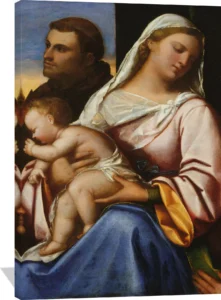
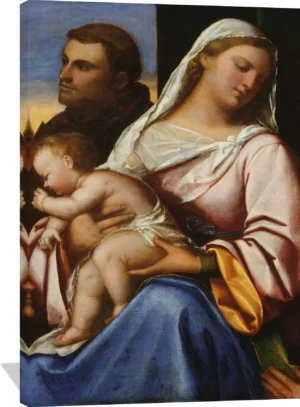
Sebastiano became known for his mastery of oil painting, a medium that allowed him to create richly layered surfaces and atmospheric effects. His figures possess a compelling sense of weight and presence, combining Venetian softness with Roman monumentality. The result is a body of work that feels both meditative and dramatic, marked by subtle color harmonies and a strong, sculptural clarity.
Subjects and Themes
His paintings often explore sacred narratives, portraits, and mythological subjects. In works such as The Raising of Lazarus and Pietà, he brings a profound emotional depth to biblical moments, emphasizing human vulnerability and spiritual intensity. His portraits are equally notable, distinguished by psychological nuance and a quiet, dignified realism.
Legacy
Sebastiano del Piombo’s ability to unite the sensuous Venetian palette with the intellectual rigor of Roman design secured his place as one of the Renaissance’s most influential painters. As keeper of the papal seal, he achieved a rare level of recognition in his lifetime, and his paintings continue to be valued for their expressive color and powerful visual presence. Today, he is celebrated for bridging regional artistic traditions and shaping the trajectory of sixteenth-century Italian painting.