Artistic Style and Approach
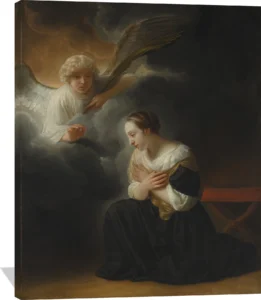
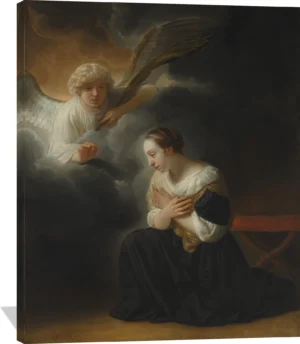
Known for his refined command of perspective and illusionism, van Hoogstraten explored the boundaries between reality and representation. His celebrated trompe-l’oeil compositions demonstrate meticulous attention to surface, texture, and light, while his portraits and genre scenes reveal a nuanced understanding of atmosphere and character. A student of Rembrandt, he absorbed the master’s dramatic chiaroscuro but developed a more polished, courtly aesthetic that reflected his own artistic interests.
Notable Contributions
Van Hoogstraten’s contributions extend beyond painting. His influential theoretical treatise, Inleyding tot de Hooge Schoole der Schilderkonst, became a key text in early modern art theory, offering insights into visual perception, craftsmanship, and the philosophical foundations of painting. He played an important role in shaping the period’s understanding of pictorial space, and his experiments with optical devices and architectural perspectives helped advance Baroque visual innovation.
Subjects and Significance
His oeuvre spans still lifes, domestic interiors, architectural vistas, portraits, and illusionistic doorways designed to both deceive and delight the viewer. The quiet precision of his objects, combined with his interest in the psychology of looking, sets his work apart. Van Hoogstraten’s legacy rests not only in his finely crafted paintings but also in his role as a bridge between artistic practice and theory, making him a significant figure in the cultural and intellectual landscape of seventeenth-century Europe.