Artistic Style
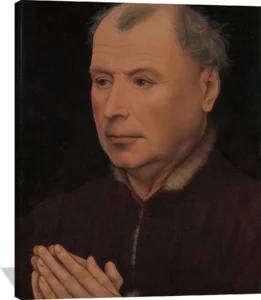
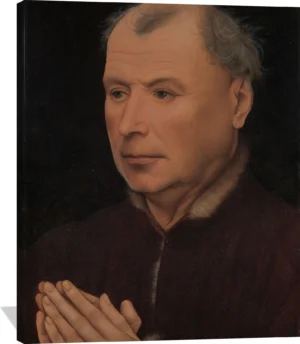
Van der Weyden’s paintings are distinguished by their expressive human presence, heightened drama, and meticulous attention to surface textures. His style bridges the elegance of Gothic tradition with emerging Renaissance naturalism, producing compositions that feel both intimate and monumental. The artist’s sensitive modeling of faces and use of vivid, saturated color evoke deep psychological impact, making his work instantly recognizable.
Notable Contributions
Renowned for his altarpieces and devotional panels, van der Weyden played a central role in defining the emotional tenor of Northern European art. Works such as the Descent from the Cross exemplify his ability to translate spiritual narratives into compelling visual experiences. As official painter of Brussels, he influenced generations of artists, spreading his aesthetic across courts and cities through widely circulated copies and commissions.
Subjects and Themes
Religious storytelling forms the core of his oeuvre, portrayed with striking sincerity and human vulnerability. He depicted biblical scenes, saints, and donors with clarity and reverence, often setting his figures against architectural spaces or patterned fabrics that enhance their presence. His portraits are equally admired for their refinement and psychological depth.
Cultural Significance
Celebrated as a leading master of Northern Renaissance painting, van der Weyden helped shape a new visual sensibility grounded in emotional truth and heightened realism. His legacy endures through his influential approach to composition and his profound ability to communicate devotion, making him one of the era’s most enduring and defining artistic voices.