Artistic Style and Approach
Weir’s paintings are marked by clarity of form, balanced compositions, and a thoughtful interplay between realism and idealization. While his contemporaries often focused on expansive wilderness scenes, Weir blended landscape sensibility with a deep interest in narrative. His technical precision and careful handling of atmosphere reflect a disciplined approach rooted in academic training, yet his work retains a poetic quality that aligns him with the broader Hudson River School vision.
Subjects and Themes
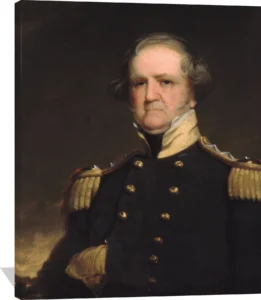
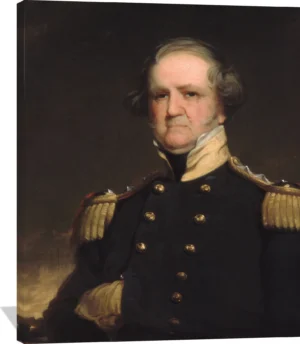
Weir’s subjects range from historical and religious scenes to portraiture and serene landscapes. He is especially recognized for works such as The Embarkation of the Pilgrims, which showcases his ability to convey moral gravity and emotional nuance. Many of his compositions highlight moments of reflection, reverence, and transformation. His landscapes often feature soft light and tranquil settings, emphasizing harmony between humanity and nature.
Cultural and Historical Significance
As one of the early American artists to gain substantial recognition, Weir played a key role in elevating the status of American painting during a formative period. His decades at West Point contributed to the development of a national artistic language, and his influence extended through both his artworks and his teaching. Today, he is remembered as a pivotal figure whose disciplined technique and evocative storytelling helped shape the identity of nineteenth‑century American art.