Artistic Style
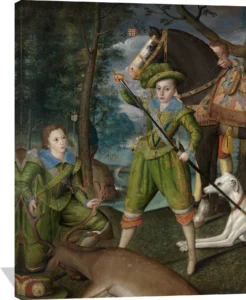
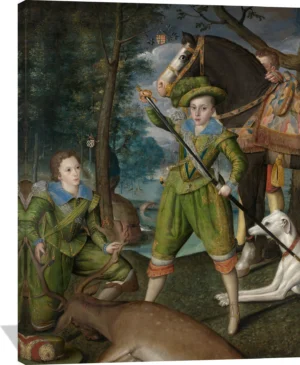
Peake’s work is distinguished by its meticulous attention to costume, elegant linearity, and luminous color harmonies. His portraits often feature richly detailed textiles, symbolic accessories, and a poised, courtly stillness. These qualities position him as a key figure in the evolution of the English court portrait, bridging the formality of Tudor aesthetics with the emerging sophistication of the Jacobean period.
Notable Contributions
As a painter to Prince Henry, son of James I, Peake gained high esteem and contributed to shaping the public image of the young heir through numerous likenesses. His ability to convey stature and refinement made him a trusted artist within royal circles. Works such as his portraits of Prince Henry and various members of the aristocracy highlight his command of realism and symbolic representation.
Subjects and Themes
Peake primarily painted nobility, courtiers, and royal family members, presenting them with a dignified presence that emphasized lineage, authority, and virtue. Although best known for portraiture, he occasionally incorporated allegorical elements and subtle narrative cues, enriching the viewer’s understanding of the sitter’s identity and status.
Cultural Significance
Regarded as one of the most influential painters of his generation, Peake stands at a crucial intersection of English art history. His work captures the visual culture of a changing monarchy and offers a window into the ceremonial splendor of the early seventeenth century. His legacy continues to resonate for its blend of grace, precision, and enduring historical insight qualities that make his portraits timeless expressions of power and personality.