Artistic Style
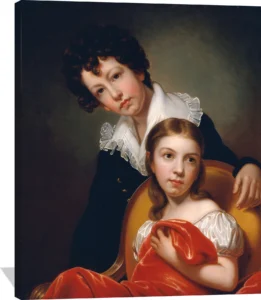
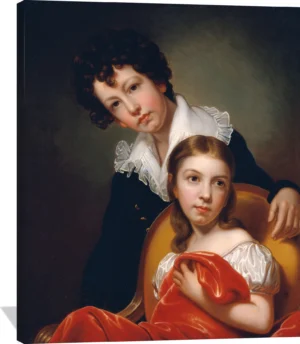
Peale’s work is marked by a polished neoclassical sensibility, characterized by clarity of form, smooth surfaces, and a subtle interplay of light and shadow. His portraits reveal a poised balance between idealization and specificity, giving sitters a dignified presence while capturing their individuality. This thoughtful approach places him among the early masters who shaped the visual identity of the new United States.
Notable Contributions
Among his most enduring achievements are his iconic portrayals of George Washington, including the celebrated “Porthole” portrait. These images helped cement the nation’s earliest visual symbolism and contributed to Peale’s reputation as a leading portraitist of his time. Beyond portraiture, he also explored historical and allegorical themes, seeking to elevate American art through works that blended moral purpose with refined technique.
Subjects and Significance
Peale’s subjects ranged from political leaders to cultural figures, capturing the individuals who shaped early American society. His meticulous attention to likeness and character, combined with his interest in history and science, reflects the intellectual spirit of the era. Many of his works serve as important visual documents of the nation’s formative decades.
Legacy
Remembered as both an artist and advocate for the growth of American art, Rembrandt Peale left a lasting imprint on the country’s cultural landscape. His dedication to elevating artistic standards and his refined portrait style remain influential, offering a window into the aspirations and identity of the early republic. His oeuvre stands today as a testament to the emergence of a distinctive American artistic voice.