Artistic Style
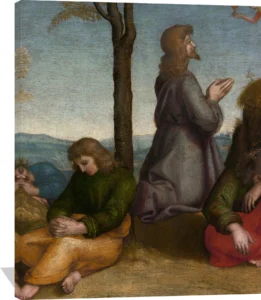
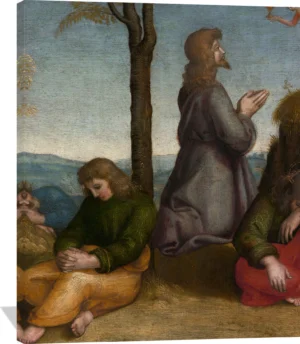
Raphael’s work is distinguished by balanced structure, graceful figures, and a clarity that embodies the ideals of Renaissance humanism. His approach blended the monumentality of Michelangelo with the atmospheric softness of Leonardo, resulting in a uniquely lucid and elegant visual language.
Subjects and Themes
He is widely known for devotional imagery, tender Madonnas, and narrative religious scenes, as well as portraits that reveal both likeness and psychological depth. His frescoes for the Vatican, including the celebrated School of Athens, showcase his command of perspective, architecture, and the depiction of complex intellectual themes.
Legacy and Significance
Raphael’s artworks became models of compositional perfection for centuries, cementing his reputation as a central figure of the Renaissance. His synthesis of beauty, order, and emotional clarity continues to influence painters, scholars, and collectors. As one of history’s most revered artists, he remains a symbol of the High Renaissance at its most harmonious and enduring.