Artistic Style
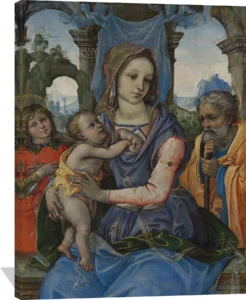
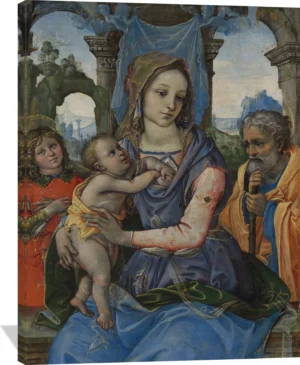
Raffaellino’s style is distinguished by its clarity, gentle modeling, and serene emotional tone. His figures often exhibit a poised elegance, expressed through harmonious proportions and subtle expressions. He favored soft, luminous color palettes that heighten the devotional atmosphere of his scenes. This combination of technical restraint and emotional warmth contributes to the enduring appeal of his work.
Subjects and Themes
A large portion of his oeuvre consists of religious imagery, including altarpieces, Madonna and Child paintings, and narrative frescoes. These subjects allowed him to explore themes of compassion, piety, and human tenderness, rendered through carefully arranged compositions and nuanced gestures. Works such as his various depictions of the Madonna demonstrate his ability to merge spiritual intimacy with the polished elegance of the Florentine tradition.
Legacy and Significance
Although not as widely known as some of his contemporaries, Raffaellino del Garbo contributed meaningfully to the artistic landscape of early sixteenth‑century Florence. His paintings embody the transition between the lyrical grace of the late Quattrocento and the emerging dynamism of the High Renaissance. Appreciated for their refinement and quiet emotional depth, his works continue to resonate with viewers who value the subtle beauty and craftsmanship of Renaissance art.