Artistic Style
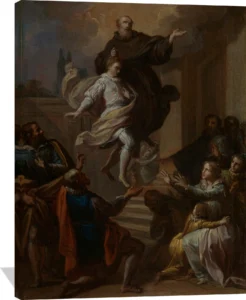
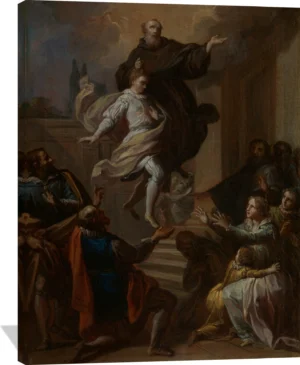
Costanzi’s style blends Baroque dynamism with a clarity that hints at emerging Neoclassical sensibilities. His paintings are marked by balanced arrangements, luminous palettes, and expressive yet harmonious movement. These qualities allowed him to create works that feel both theatrically grand and carefully composed.
Subjects and Themes
Specializing in religious and historical scenes, Costanzi often depicted saints, mythological narratives, and moments of divine revelation. His treatment of sacred subjects centers on human emotion, elevating devotional imagery with a sense of immediacy and narrative depth. These characteristics made his altarpieces and frescoes particularly resonant within the Roman artistic community.
Notable Contributions
Active during a vibrant period of cultural exchange in Rome, Costanzi contributed to the enduring visual language of Italian Baroque painting. He created works for prominent churches and collaborated with leading artists of his time, enriching the city’s artistic landscape. His ability to merge dramatic storytelling with refined execution helped shape the visual identity of many ecclesiastical interiors.
Legacy
Placido Costanzi’s work remains admired for its poised drama and polished technique. His paintings exemplify the transition between the ornate tradition of the Baroque and the emerging pursuit of balance and restraint. Today, he is recognized as a painter whose mastery of narrative and form embodies the enduring vitality of Rome’s eighteenth-century artistic heritage, securing his place among the era’s notable interpreters of sacred and historical imagery.