Artistic Style
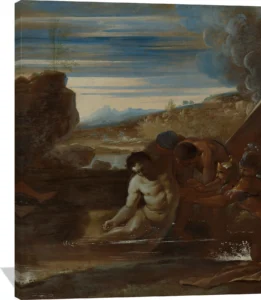
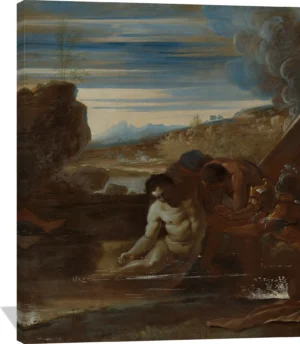
Testa’s work is distinguished by its precise, elegant draftsmanship and a tendency toward complex, often allegorical narratives. His compositions reveal a deep study of antiquity and the High Renaissance, yet they maintain a distinctive expressive intensity. Through exquisitely controlled hatching and carefully balanced forms, he created images that feel both scholarly and sensorial.
Subjects and Themes
Known for mythological, biblical, and philosophical scenes, Testa explored themes of human virtue, destiny, and the pursuit of knowledge. Works such as The Death of Dido and The Destruction of the Temple of Jerusalem exemplify his ability to infuse classical subjects with dramatic clarity. His imagery often invites contemplation, mirroring the intellectual currents of seventeenth‑century Rome.
Legacy and Significance
Though his life was brief, Testa’s contribution to Italian Baroque printmaking remains enduring. His engravings circulated widely, shaping artistic discourse and influencing later generations of draftsmen. Today he is remembered as a singular voice whose blend of classical rigor and expressive detail forged a body of work that stands apart for its depth, refinement, and poetic intensity.