Artistic Style
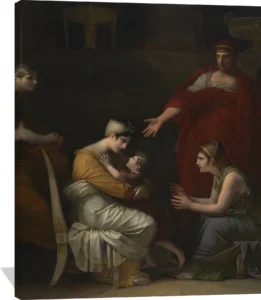
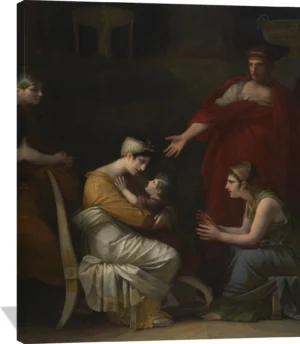
Prud’hon’s style blended the clarity of Neoclassicism with the tenderness and atmospheric nuance more commonly associated with earlier Rococo masters. His mastery of chiaroscuro and his distinctive use of velvety contours created figures that appear both idealized and deeply human. This balance between restraint and sensitivity became one of his most recognizable artistic signatures.
Subjects and Themes
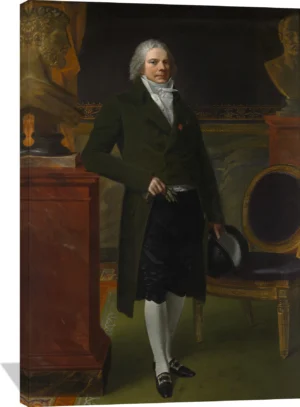
Best known for his allegorical scenes, portraits, and refined figure studies, Prud’hon often depicted themes of virtue, justice, and mythological harmony. His drawings, in particular, reveal an exceptional attention to anatomy and emotional expression. Works such as Justice and Divine Vengeance Pursuing Crime showcase his ability to convey drama through elegance rather than force, while his portraits capture a quiet psychological depth.
Notable Contributions
Prud’hon held a unique position in French art during a time dominated by the monumental classicism of Jacques-Louis David. Rather than adopting a strict, heroic aesthetic, he pursued a softer and more introspective vision. His influence extended to younger artists who were inspired by his subtle modeling and contemplative mood. His role as a court artist under Napoleon further demonstrated his versatility, producing refined portraiture that highlighted his talent for understated grandeur.
Cultural Significance
Regarded today as one of the most poetic voices of French Neoclassicism, Prud’hon occupies an important place in the transition toward Romantic sensibilities. His work resonates for its balance of ideal beauty and emotional truth, making him a compelling figure for collectors drawn to art that combines classical discipline with a more intimate, expressive character.