Artistic Style
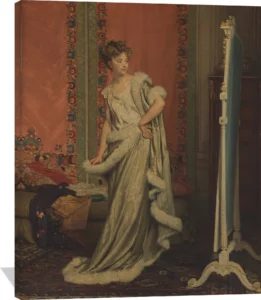
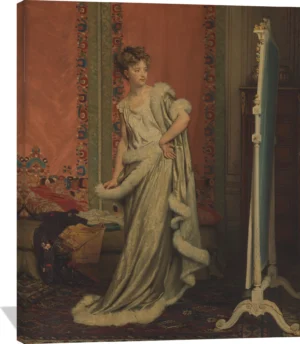
Glaize worked primarily within the Academic and late Romantic idioms, producing meticulously composed canvases characterized by precise draftsmanship and luminous color. His paintings often reflect a balance of idealism and naturalism, revealing both intellectual discipline and an intuition for atmospheric nuance.
Signature Themes
Well known for his historical narratives, mythological scenes, and religious subjects, Glaize frequently explored the dramatic interplay of humanity, symbolism, and classical tradition. Works such as Le Départ de Tobie exemplify his ability to merge narrative clarity with poetic sensitivity. He also created refined portraits that capture the quiet dignity of his sitters.
Legacy and Significance
Active during a period of artistic transformation in France, Glaize upheld the values of the École des Beaux-Arts while navigating the evolving tastes that bridged the nineteenth and twentieth centuries. His contributions reflect a steadfast commitment to the academic principles that shaped French painting, making him a noteworthy figure within the broader trajectory of historical and allegorical art. Today, his work is appreciated for its technical finesse, contemplative tone, and enduring connection to the classical tradition.