Artistic Style
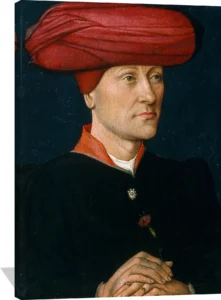
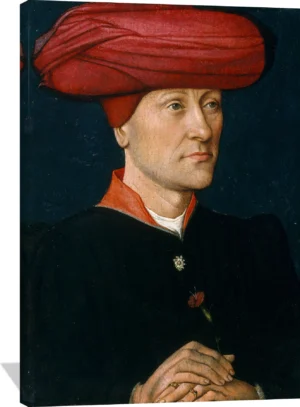
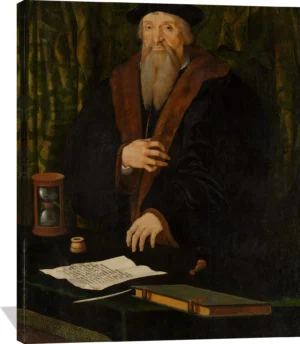
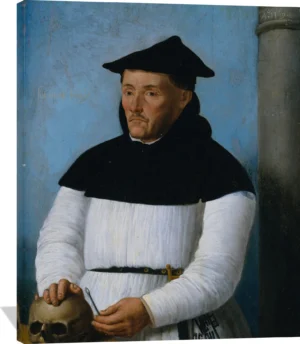
Working within the flourishing tradition of sixteenth‑century Flanders, the painter’s style is distinguished by precise draftsmanship, luminous color, and an exceptional attention to surface detail. Textures such as polished metal, fine fabrics, and natural foliage are rendered with striking clarity, a hallmark of Northern European artistry. Subtle gradations of light heighten both realism and atmosphere, giving the works a sense of quiet intensity.
Subjects and Themes
The artist’s subjects typically align with the devotional and domestic interests of the era, including sacred narratives, portraits, and allegorical scenes. Figures are depicted with psychological depth, while religious themes often contain symbolic elements embedded within everyday settings. Even small compositional details background landscapes, architectural elements, or still-life objects contribute additional layers of meaning.
Historical and Cultural Significance
Active during a moment of artistic innovation, this Netherlandish painter participated in the region’s broader movement toward heightened naturalism and intellectual nuance. The artist’s work embodies the Northern Renaissance emphasis on observation, craftsmanship, and moral reflection. These qualities positioned the Netherlands as a vital center of artistic production, influencing painters across Europe.
Legacy
The enduring appeal of this painter’s work lies in its union of technical mastery and quiet expressive power. Through finely rendered detail and evocative realism, the artist contributed to a tradition that shaped the visual language of early modern Europe, leaving a subtle yet enduring imprint on the history of painting.