Artistic Style
This circle of artists is distinguished by its meticulous attention to detail, luminous color palette, and sophisticated handling of oil paint. Their works often display a harmonious blend of realism and idealization, revealing a deep interest in human expression, natural textures, and atmospheric effects. Precision in rendering fabric, foliage, and architectural elements became a hallmark of their approach.
Subjects and Themes
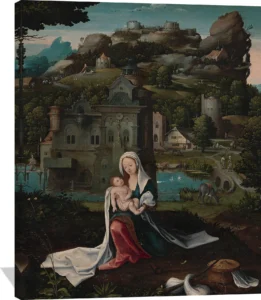
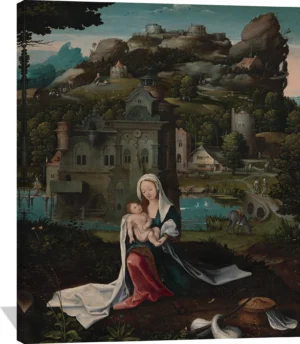
Antwerp painters of this era explored a wide array of subjects, from devotional images and altarpieces to mythological scenes and moralizing narratives. Religious compositions were particularly prominent, featuring serene Madonnas, dramatic Passion imagery, and richly populated biblical scenes. Their secular works reflected contemporary life with equal finesse, capturing bustling markets, domestic interiors, and allegorical tableaux with both clarity and nuance.
Cultural and Historical Significance
Working in one of Europe’s most important artistic and commercial centers, these painters contributed greatly to the rise of Antwerp as a cosmopolitan hub of creativity. Their innovations in composition and technique helped advance oil painting across the region, influencing generations of artists. Highly sought after by collectors and patrons, their work played a key role in disseminating Northern Renaissance aesthetics throughout Europe.
Distinctive Qualities
The enduring appeal of these artists lies in their ability to balance devotional solemnity with vivid everyday detail, creating works that feel both intimate and majestic. Their paintings remain admired for their clarity, emotional resonance, and the remarkable craftsmanship that defined Antwerp’s artistic identity during the sixteenth century.