Artwork by Moretto da Brescia (Alessandro Bonvicino)

Moretto da Brescia (Alessandro Bonvicino), born around 1498 and active in Brescia until 1554, was a distinguished painter of the Italian Renaissance whose refined sensibility and devotional clarity made him one of Lombardy’s most respected masters.

More about Moretto da Brescia (Alessandro Bonvicino)

Products

Showing all 3 results

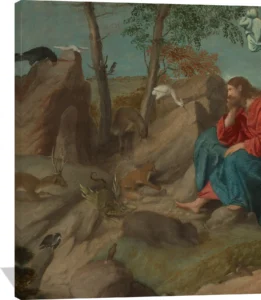
  • Christ in the Wilderness by Moretto da Brescia (Alessandro Bonvicino), canvas print

    Christ in the Wilderness

    Moretto da Brescia (Alessandro Bonvicino)

    Canvas from

    $44.00

    The Moretto da Brescia Christ in the Wilderness canvas captures a moment of serene contemplation amid nature’s quiet majesty. Rendered in warm earth tones, deep blues, and soft greens, this Renaissance masterpiece balances divine presence with tranquil solitude. The subtle light and detailed landscape evoke reflection and peace, making it a timeless piece of wall…

    Select optionsLoading Done This product has multiple variants. The options may be chosen on the product page
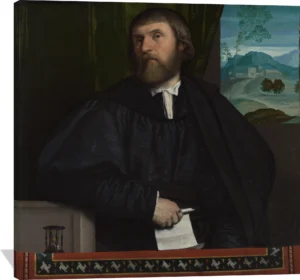
  • Portrait of a Man by Moretto da Brescia (Alessandro Bonvicino), canvas print

    Portrait of a Man

    Moretto da Brescia (Alessandro Bonvicino)

    Canvas from

    $59.00

    The Moretto da Brescia Portrait of a Man canvas captures the quiet dignity and introspective presence of Renaissance portraiture. Rich tones of deep black, forest green, and muted gold blend with soft natural light, highlighting the sitter’s thoughtful expression against a serene landscape view. The refined composition and subtle detail reflect Moretto da Brescia’s mastery…

    Select optionsLoading Done This product has multiple variants. The options may be chosen on the product page
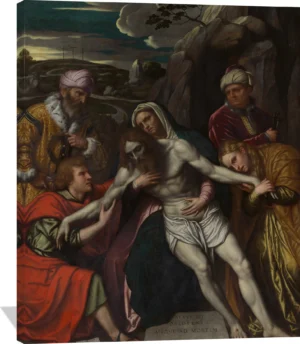
  • The Entombment by Moretto da Brescia (Alessandro Bonvicino), canvas print

    The Entombment

    Moretto da Brescia (Alessandro Bonvicino)

    Canvas from

    $44.00

    The Moretto da Brescia The Entombment canvas captures a moment of profound emotion and spiritual depth. Rendered in rich tones of deep crimson, gold, olive green, and muted gray, this Renaissance masterpiece conveys both sorrow and serenity through its masterful interplay of light and shadow. The figures’ graceful gestures and somber expressions evoke timeless reverence…

    Select optionsLoading Done This product has multiple variants. The options may be chosen on the product page

Showing 3 of 3 products

About Moretto da Brescia (Alessandro Bonvicino)

Artistic Style

Moretto’s work is characterized by a serene balance between Venetian luminosity and the more introspective traditions of the Lombard school. His paintings often feature gentle modeling, elegant color harmonies, and a quiet emotional depth. He developed a distinctive approach that merged spiritual intimacy with a restrained yet noble realism, placing him among the most graceful interpreters of sacred subjects in northern Italy.

Subjects and Themes

Religious imagery dominates Moretto’s oeuvre, especially altarpieces, half-length saints, and contemplative figures of the Virgin and Christ. These works reveal his ability to infuse devotional scenes with calm dignity and a subtle psychological presence. He also produced portraits notable for their poised naturalism and finely observed detail, reflecting the social and cultural sophistication of Brescia’s elite.

Notable Contributions

Central to Moretto’s legacy is his pivotal role in shaping 16th-century Brescian painting. His refined technique influenced generations of local artists, most notably his pupil Giovan Battista Moroni, who would become one of Italy’s great portraitists. Moretto’s altarpieces, including celebrated works such as the Madonna and Child with Saints and the Christ in the Wilderness, demonstrate his mastery in creating spiritual atmospheres that feel both intimate and monumental.

Cultural Significance

Moretto da Brescia stands as a vital figure in the artistic dialogue between Venice and the Lombard region during the High Renaissance. His paintings embody the era’s search for harmony and human presence, elevating sacred imagery through nuanced light, balanced compositions, and a profound sense of devotion. Today, his works continue to be admired for their quiet beauty, emotional restraint, and enduring contribution to the cultural identity of northern Italy.