Artistic Style
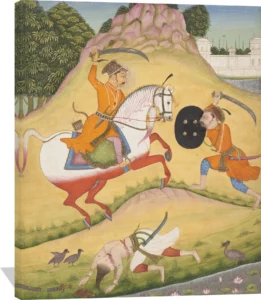
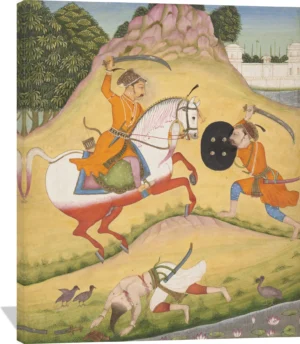
Mohamed’s style is distinguished by its meticulous linework, harmonious color balance, and subtle interplay between decorative detail and narrative clarity. His compositions often merge elements of manuscript illumination, courtly portraiture, and architectural rendering, revealing a deep understanding of both classical Islamic artistic conventions and evolving regional sensibilities.
Typical Subjects
His subjects commonly include contemplative figures, urban landscapes, and ornate interior settings that emphasize geometric pattern, textile richness, and the gentle drama of everyday life. Whether depicting scholarly gatherings, serene domestic scenes, or devotional imagery, Mohamed excelled at capturing the quiet dignity and poetic rhythm of the world around him.
Notable Contributions
Working at a moment when artistic exchange flourished across the Mediterranean, Mohamed contributed to the refinement of visual forms that blended local craftsmanship with broader aesthetic currents. His paintings are valued for their clarity of design, expressive restraint, and the enduring cultural resonance they carry. Using pigments and techniques passed down through generations, he created works that embodied the era’s emphasis on balance, spiritual subtlety, and exquisite ornamentation.
Cultural Significance
Mohamed’s surviving artworks provide an illuminating window into early 18th‑century artistic life. They reflect a period shaped by intellectual vibrancy, expanding trade networks, and cross‑cultural influence. His ability to translate these dynamics into visual form allows his pieces to remain both historically meaningful and aesthetically compelling. Today, his work is appreciated for its beauty, craftsmanship, and its role in preserving the visual heritage of a transformative age.