Artistic Style
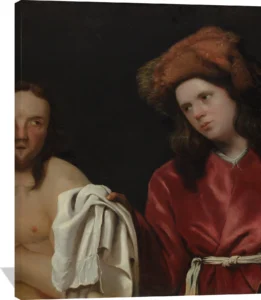
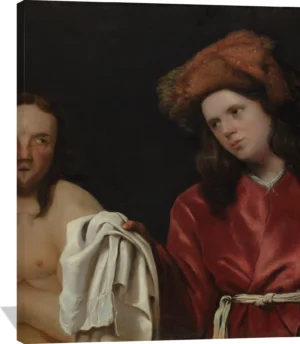
Sweerts is celebrated for a distinctive fusion of meticulous Flemish detail with the warm chiaroscuro and emotional depth characteristic of Roman Baroque art. His paintings often feature a quiet, contemplative mood, balancing realism with a subtle, almost meditative lyricism. This synthesis gives his work a timeless and introspective quality.
Subjects and Themes
He is best known for genre scenes depicting artists’ studios, youths at study, and everyday figures rendered with exceptional psychological nuance. His portraits, allegories, and head studies convey an extraordinary sensitivity to human expression. Sweerts also produced history and religious compositions, where his restrained drama and controlled light imbue the narratives with solemnity and grace.
Notable Contributions
Sweerts’ work stands out for its profound engagement with the human condition. He brought new dignity to ordinary subjects, capturing the inner life of his sitters with unusual empathy. His series of artists at work, including compositions such as The Drawing Lesson, offers a rare and valuable glimpse into the creative practices of the seventeenth century.
Cultural and Historical Significance
A highly mobile and cosmopolitan figure, Sweerts bridged artistic traditions across regions and continents. His time in Rome exposed him to major artistic circles, while his later involvement with missionary endeavors led him on a remarkable journey to Persia and ultimately Goa. This broad experience enriched his artistic vision and contributed to the unique synthesis for which he is admired today.
Michiel Sweerts’ paintings remain prized for their quiet elegance, psychological depth, and masterful balance of Northern and Southern European influences, securing his reputation as one of the most intriguing and evocative painters of the seventeenth century.