Artistic Style
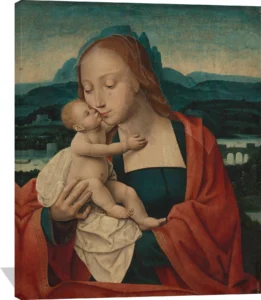
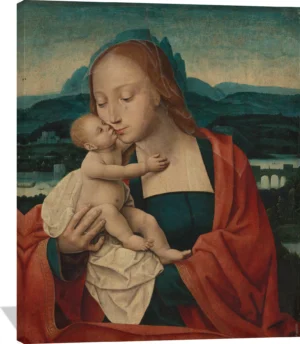
His paintings reveal a mastery of delicate detail, luminous color, and measured composition. Figures are rendered with a quiet naturalism, their expressions shaped by subtle psychological nuance. The artist’s technique reflects the Northern Renaissance emphasis on clarity and precision, yet his work also carries a distinctive warmth and intimacy.
Subjects and Themes
The Master of the Mansi Magdalen is best recognized for devotional imagery, most notably his portrayal of the penitent Mary Magdalene that gave him his name. His religious scenes often feature richly textured fabrics, serene landscapes, and finely modeled facial features, creating an atmosphere of contemplative spirituality. The emotional immediacy of his sacred subjects remains one of his most compelling qualities.
Historical Significance
Although the artist’s true identity remains unknown, his work contributes meaningfully to our understanding of early sixteenth-century Netherlandish painting. His paintings reflect a transitional period that balanced late medieval piety with emerging Renaissance naturalism. These qualities place him among the notable anonymous masters whose artistry helped define the visual language of Northern Europe during this era.
Legacy
The Master of the Mansi Magdalen is admired today for his refined symbolism and exceptional craftsmanship. His surviving works continue to resonate for their quiet emotional power and their role in shaping the expressive possibilities of devotional art.