Artistic Style
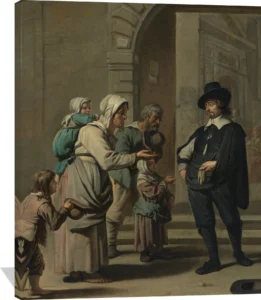
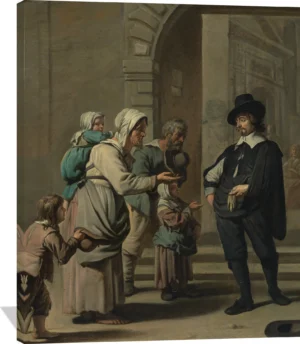
The master’s paintings are characterized by meticulous draftsmanship, balanced compositions, and a serene interplay of light. His style echoes the prevailing Baroque sensibilities of the Southern Netherlands, yet with a quieter emotional register. Figures are rendered with soft naturalism, gentle chiaroscuro, and a subtle sense of narrative that invites close observation.
Notable Subjects
The artist is best known for scenes depicting beguines lay religious women who lived communally in the Low Countries as well as domestic interior settings infused with contemplative stillness. These works often highlight textiles, gestures, and architectural details, suggesting both devotional undertones and an interest in everyday ritual. The themes align with the period’s fascination with moral reflection and the ordinary rhythms of early modern life.
Distinctive Qualities
A hallmark of the master’s work is the blend of spiritual intimacy with worldly craftsmanship. His paintings often feature a restrained palette and a focus on human presence that feels both immediate and timeless. The subtle expressiveness of his figures and the atmospheric calm of his interiors have made these compositions enduringly appealing. Within the context of seventeenth‑century Flemish art, they represent a refined synthesis of realism and devotional mood.
Cultural Significance
The Master of the Béguins offers insight into the devotional culture and social structures of the Low Countries during the Baroque era. Whether or not he is identical with Willemsens, his work reflects the period’s flourishing artistic networks, in which workshop production, cross‑regional influences, and religious subject matter intertwined. His carefully crafted scenes continue to resonate as intimate windows into a world shaped by craft, community, and quiet reflection.