Artistic Style
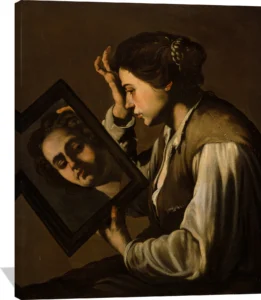
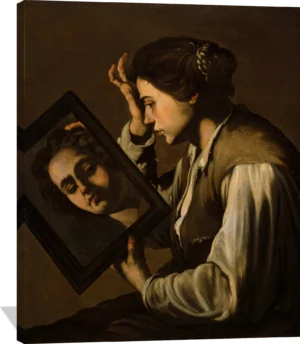
Working in the wake of Caravaggio’s influence in Naples, the artist embraced strong chiaroscuro, heightened realism, and atmospheric depth. His compositions often balance bold contrasts of light and shadow with refined attention to gesture and physiognomy. This creates scenes that feel both intimate and theatrically charged, a hallmark of Neapolitan Baroque painting.
Typical Subjects
The painter is best known for devotional scenes, especially the theme that gives him his name: the Annunciation to the Shepherds. These works highlight rustic figures illuminated by sudden divine light, capturing moments of spiritual revelation with striking immediacy. His repertoire also includes Nativity scenes, depictions of saints, and tender portrayals of the Holy Family, all marked by a deep interest in human emotion.
Notable Contributions
The Master played a key role in shaping the visual language of early seventeenth-century Naples by blending everyday realism with a sense of visionary presence. His works reveal a sophisticated understanding of light as both a narrative and symbolic force, a characteristic that places him among the most compelling anonymous painters of the period. His expressive treatment of humble figures contributes significantly to the development of naturalistic Baroque devotional painting.
Cultural and Historical Significance
Active during a period of artistic transformation, the Master of the Annunciation to the Shepherds represents the dynamic interchange between local tradition and broader European Baroque currents. His paintings stand as powerful reflections of Neapolitan spirituality, capturing the human dimension of sacred stories with both empathy and dramatic intensity. Though his name is lost, his artistic identity remains unmistakable, celebrated for its emotional clarity and luminous realism.