Artistic Style
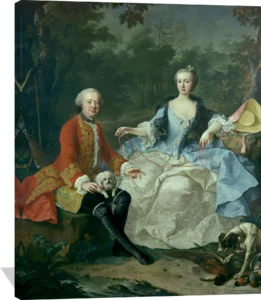
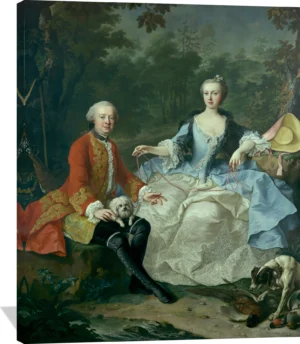
Meytens developed a polished, meticulously detailed style that blended Northern European precision with the elegance of Central European court painting. His refined handling of textures particularly silk, lace, and jewelry became a hallmark of his mature work, giving his portraits an unmistakable vibrancy and realism.
Subjects and Themes
Best known for his portraits of emperors, empresses, and nobility, Meytens captured the likenesses and ceremonial grandeur of the Habsburg elite. He frequently depicted sitters adorned in formal regalia, emphasizing not only physical resemblance but also social stature and political symbolism. His studio also produced large ceremonial compositions, including scenes of imperial weddings and events, offering vivid insights into courtly ritual.
Notable Contributions
Appointed court painter and later director of the Viennese Academy of Fine Arts, Meytens played a crucial role in shaping the artistic standards of his time. His workshop became a center of influence, training numerous painters who carried his precise, luminous approach into the next generation. His portraits remain essential references for understanding eighteenth‑century European fashion, etiquette, and power structures.
Legacy
Meytens’s work endures for its combination of technical finesse and cultural significance. His ability to render sumptuous surfaces and convey the composed authority of his sitters made him a defining figure in imperial portraiture. Today, he is remembered as a master whose images vividly preserve the atmosphere and splendor of the Habsburg court, leaving a legacy that continues to inform the visual history of the era.