Artistic Style and Approach
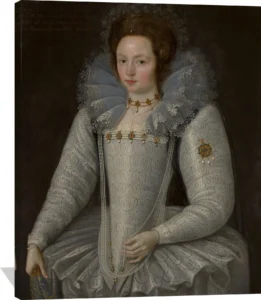
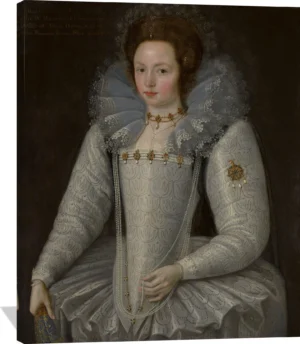
Gheeraerts introduced a fresh realism to English court portraiture, moving away from rigid Tudor conventions toward a more lifelike, softly modeled technique. His portraits are distinguished by their intricate textures, delicate treatment of light, and expressive yet dignified characterization. Fine details such as lacework, jewels, and embroidered fabrics are rendered with extraordinary precision, reflecting both his technical mastery and the visual language of status in the period.
Notable Contributions
He is best known for his depictions of aristocratic sitters, including the celebrated Ditchley portrait of Queen Elizabeth I. Throughout the Jacobean era, Gheeraerts continued to shape the development of English portraiture, advancing a style that balanced elegance with emotional presence. His work helped establish the visual identity of a transitional age, bridging the ornamental splendor of the late Renaissance with the emerging tastes of early modern Britain.
Cultural Significance
Gheeraerts’ portraits endure as vital historical documents, capturing the personalities, fashions, and power structures of the Elizabethan and Stuart courts. His artistry remains prized for its sophistication and humanity, securing his place as one of the most influential portrait painters of his generation.