Artistic Style
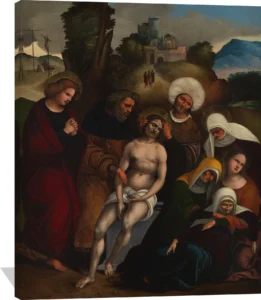
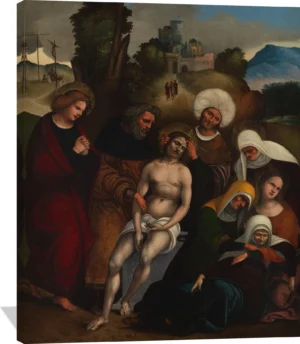
Mazzolino’s paintings are distinguished by their shimmering color harmonies, richly patterned surfaces, and highly detailed architectural settings. His compositions often feature compact, animated groupings, creating an almost theatrical sense of movement. While rooted in the traditions of the Ferrarese Renaissance, his work displays an individuality marked by expressive faces, refined ornamentation, and a distinctive, almost miniature-like precision.
Subjects and Themes
He specialized in religious narratives, particularly scenes from the life of Christ and the Virgin, along with Old Testament stories. These works typically combine emotional intensity with elaborate backgrounds, blending devotional purpose with courtly elegance. Mazzolino’s frequent use of intricate details and symbolic motifs brought depth to familiar subjects, making his works both contemplative and visually captivating.
Legacy and Significance
Mazzolino holds a respected place within the Ferrarese tradition for his ability to merge local artistic influences with broader Renaissance ideals. His paintings demonstrate the transition between late Quattrocento intricacy and the more expansive forms of the early Cinquecento. Today, he is recognized for his uniquely ornate narrative style and his role in shaping the visual culture of Ferrara during a pivotal artistic era.