Artistic Style
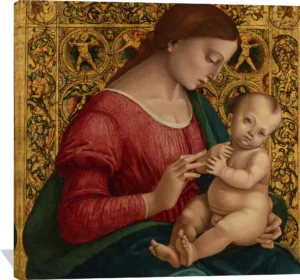
Signorelli’s work is distinguished by its sculptural clarity, dynamic anatomical precision, and powerful emotional intensity. His mastery of the nude, rendered with striking naturalism, reveals a deep interest in human movement and form. Highly structured compositions, vibrant yet controlled color, and bold foreshortening became hallmarks of his innovative approach.
Notable Contributions
Best known for his monumental frescoes in the San Brizio Chapel of Orvieto Cathedral, including dramatic scenes such as the Last Judgement, Signorelli created some of the most influential imagery of the late Quattrocento. These works showcased his ability to portray complex narrative cycles with unity and clarity, and they left a profound impact on younger artists, including Michelangelo.
Subjects and Themes
His paintings often explore spiritual intensity, apocalyptic visions, and human virtue, balanced by quieter devotional subjects found in altarpieces and panel paintings. Whether illustrating biblical drama or lyrical sacred scenes, Signorelli consistently emphasized the expressive capacity of the human body, allowing gesture and anatomy to convey psychological depth.
Cultural Significance
As a central figure of the Umbrian and Tuscan Renaissance, Signorelli advanced the era’s pursuit of realism and intellectual vigor. His fearlessness in experimenting with perspective, musculature, and dramatic tension marked him as a pioneering visual storyteller. Today, his works remain admired for their visionary power and for their role in shaping the visual foundations of the High Renaissance. Through his bold exploration of human form and emotion, Luca Signorelli secured his legacy as a master of early modern art and a creator of enduring, deeply influential imagery.