Artistic Style
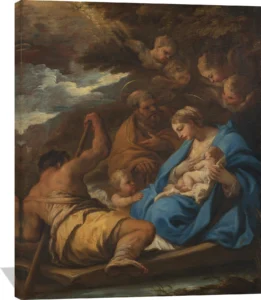
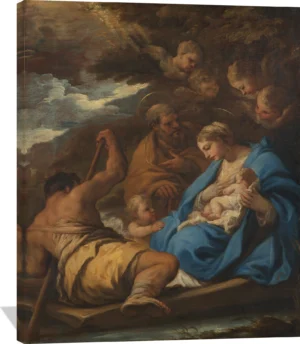
Giordano’s style is marked by luminous color, dynamic composition, and a masterful command of dramatic chiaroscuro. His brushwork is fluid and confident, often conveying a sense of movement that energizes even the most solemn religious scenes. Influenced by masters such as Caravaggio, Ribera, and the Venetian colorists, he synthesized these traditions into a distinctive, expressive manner that became his hallmark.
Subjects and Themes
His prolific output spans grand religious narratives, mythological epics, allegories, and courtly commissions. Whether depicting the heroism of saints, the splendor of classical gods, or the moral lessons of history, Giordano infused his compositions with emotional immediacy and visual richness. Works such as The Fall of the Rebel Angels and The Triumph of Judith exemplify his ability to balance theatricality with clarity.
Notable Contributions
Giordano’s technical agility earned him the nickname “Luca fa presto,” reflecting his extraordinary speed without diminishing refinement. His ceiling frescoes, especially those created during his decade in Spain as court painter to Charles II, expanded the grandeur of Baroque illusionism. His influence on decorative cycles and large-scale architectural painting was profound, helping define the era’s immersive aesthetic.
Cultural Significance
As one of Naples’s most important artistic figures, Giordano bridged regional traditions and international tastes. His work played a crucial role in spreading the emotional vitality and visual opulence of the Baroque across Europe. Today, he remains celebrated for his bold imagination, technical brilliance, and enduring contribution to the evolution of early modern painting.