Artistic Style and Approach
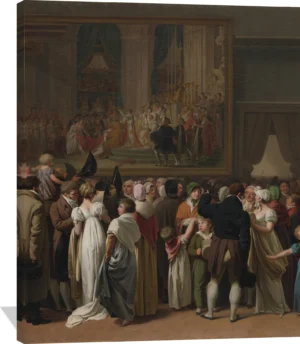
Boilly’s work is distinguished by its meticulous detail, refined technique, and subtle wit. His remarkable command of light and texture, combined with a polished finish influenced by both French academic traditions and Northern European precision, gave his paintings a distinctive clarity. Boilly often employed a tightly framed, theatrical composition that invited viewers into bustling interiors, lively streets, and nuanced social exchanges.
Subjects and Themes
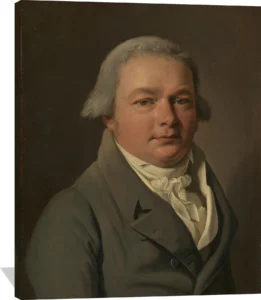
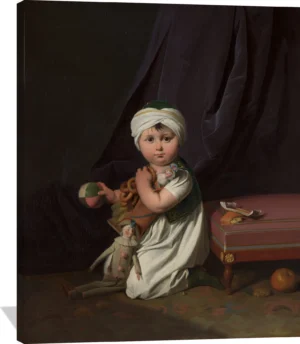
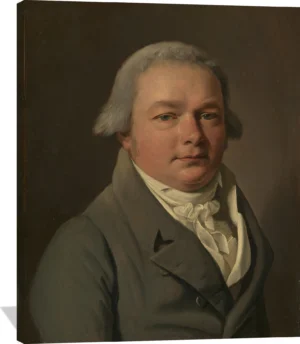
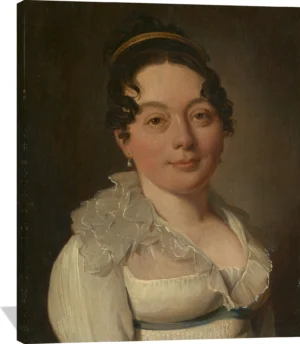
A prolific observer of human behavior, Boilly is renowned for portraying the everyday rhythms of Paris with authenticity and charm. His scenes capture musicians, lovers, families, and crowds, offering a lively portrait of urban life during a rapidly changing era. He also produced numerous portraits, celebrated for their psychological sensitivity and elegant economy. With works ranging from the intimate to the humorous, Boilly revealed the subtleties of social interaction, often with a gently satirical edge.
Cultural and Historical Significance
Boilly’s paintings provide an invaluable record of French society from the late eighteenth to mid‑nineteenth century. His attention to contemporary fashion, architecture, and social customs gives his oeuvre enduring documentary value. He was also among the first French artists to experiment with trompe‑l’oeil, demonstrating a playful virtuosity that further enriched his reputation. Today, Boilly is admired for his unmatched observational acuity and his role as a sensitive visual historian of Parisian life.