Artistic Style
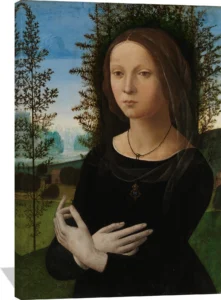
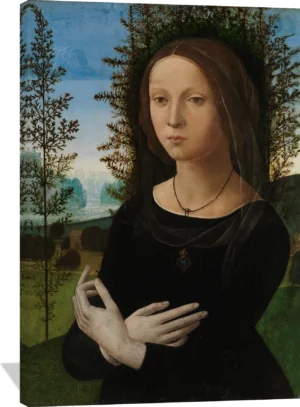
Di Credi’s work is distinguished by its meticulous precision, serene compositions, and luminous color palette. His paintings often display a graceful clarity, with figures rendered in soft modeling and harmonious proportions. A master of delicate detail, he achieved surfaces of exceptional finish, reflecting a commitment to the polished aesthetic associated with the Florentine tradition. His style combines gentle idealism with an almost jewel-like refinement, making his works instantly recognizable.
Subjects and Themes
He is best known for devotional imagery, particularly representations of the Virgin and Child, saints, and tender narrative scenes from the life of Christ. These works emphasize spiritual purity and meditative calm, qualities heightened by his careful handling of light and form. Di Credi also produced portraits and altarpieces that demonstrate his sensitivity to human expression and his disciplined approach to composition.
Legacy and Significance
Lorenzo di Credi played a key role in preserving and continuing the ideals of the early Florentine Renaissance into the sixteenth century. His commitment to clarity and perfection of form influenced younger artists and served as a counterbalance to the emerging dynamism of the High Renaissance. Though sometimes overshadowed by his more famous contemporaries, his body of work stands out for its purity, technical mastery, and enduring sense of tranquility.