Artistic Style and Approach
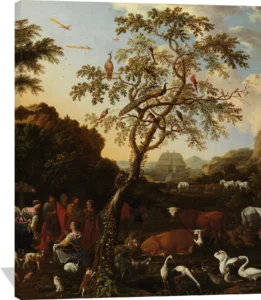
Tieling’s work is characterized by finely controlled draftsmanship, balanced compositions, and a strong emphasis on naturalistic detail. His technique reflects the late‑seventeenth‑century Dutch preference for clarity and order, often highlighting atmospheric effects and nuanced light. This lends his drawings and paintings a quiet, measured elegance that aligns with the era’s documentary traditions.
Subjects and Themes
He is best known for depictions of coastal views, harbors, and settlements connected to Dutch trade routes. These scenes often combine a descriptive topographical purpose with a subtle artistic sensibility, offering viewers both geographic information and an evocative sense of place. Architectural elements, maritime activity, and the interplay between land and water regularly anchor his compositions.
Historical Significance
Although not widely recorded in art‑historical literature, Tieling’s works contribute to the broader understanding of how artists supported the Dutch Republic’s global ambitions. His images serve as visual documents of a world shaped by commerce and exploration, preserving landscapes and cityscapes that were essential to the period’s cultural and economic networks.
Tieling’s legacy lies in his ability to merge documentation with artistry, producing scenes that are both precise and quietly expressive. Today, his work is appreciated for its refined observational quality and its role within the visual record of late‑seventeenth‑century Dutch expansion.