Artistic Style
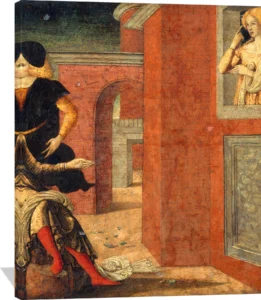
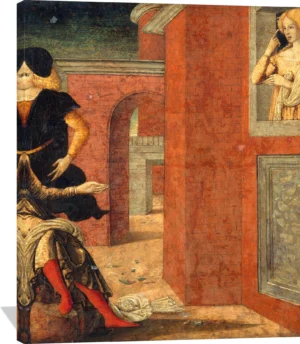
Liberale’s work is distinguished by luminous color, dynamic compositions, and a keen sensitivity to human emotion. His style reflects the transition from late Gothic elegance to the broader spatial awareness and naturalism of the Renaissance. Richly detailed drapery, sculptural modeling, and a pronounced use of light and shadow give his paintings a striking immediacy.
Notable Contributions
Renowned for both panel paintings and manuscript illumination, Liberale brought a refined narrative clarity to religious storytelling. His illuminated choir books, created for important ecclesiastical commissions, showcase meticulous ornamentation and vibrant miniature scenes that demonstrate his exceptional draftsmanship. In altarpieces and devotional works, he often employed bold gestures and intense expressions to heighten the emotional resonance of biblical subjects.
Typical Subjects
Most of Liberale’s known works center on sacred themes, including depictions of the Madonna and Child, saints, and episodes from the life of Christ. His compositions frequently feature architectural settings and carefully arranged groups of figures, underscoring both narrative coherence and visual harmony. Occasional portraits and allegorical subjects reveal his ability to convey character and symbolic depth with equal finesse.
Cultural and Historical Significance
Active during a pivotal moment in Italian art, Liberale da Verona stands as a vital link between local Veronese traditions and the broader stylistic developments sweeping through Renaissance Italy. His influence extended to younger artists in the region, and his work in illuminated manuscripts contributed to the preservation and elevation of this art form during a period of rapid cultural transformation. Today, he is remembered for his unique blend of emotional vitality, technical precision, and the enduring beauty of his religious imagery.