Artistic Style
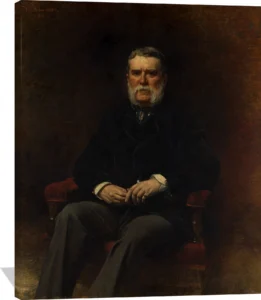
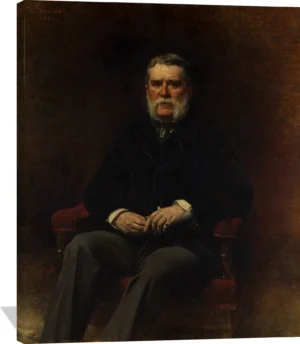
Bonnat’s style is distinguished by its sober naturalism, careful draftsmanship, and dramatic use of chiaroscuro. He favored a restrained palette that emphasized psychological depth over decorative flourish, creating portraits that feel both intimate and monumental. His training in Spain deeply shaped his aesthetic, leaving a strong imprint of Velázquez and Ribera on his handling of light and texture.
Subjects and Themes
Although Bonnat painted religious and historical scenes, he became celebrated primarily for his portraits of prominent figures, including statesmen, writers, and cultural leaders. His sitters are rendered with a direct, penetrating presence that conveys character with unusual clarity. Even in works depicting anonymous subjects, Bonnat’s approach prioritizes humanity and dignity, hallmarks of his unflinching realism.
Notable Contributions
As a central figure in French academic art, Bonnat influenced an entire generation through both his paintings and his long tenure as a respected teacher. His commitment to technical mastery and disciplined observation helped shape the development of modern portraiture in France, bridging traditional academic values with a growing interest in psychological truth.
Cultural Significance
Bonnat’s work offers a vivid record of the political, intellectual, and artistic elite of his time. His portraits remain valued for their honesty, expressive restraint, and ability to capture the inner life of the sitter. Today, his paintings serve as enduring examples of nineteenth‑century French realism at its most refined and authoritative.