Artistic Style
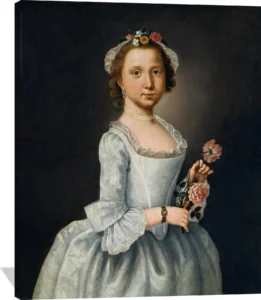
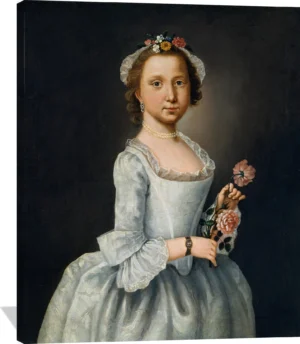
Kilburn’s portraits are distinguished by their balanced compositions, carefully modeled faces, and attention to costume and ornament. His technique blends English Rococo sensibilities with a restrained clarity suited to his sitters, creating images that feel both polished and intimate. A characteristic feature of his style is the subtle highlighting of textiles and accessories, lending his subjects an aura of understated dignity.
Subjects and Themes
He primarily portrayed merchants, civic leaders, and their families, capturing the growing confidence of New York’s colonial elite. His sitters are often presented in composed, formal poses, emphasizing personal prosperity and cultural aspiration. These portraits, frequently commissioned to commemorate marriages or mark social status, remain valued for their directness and emotional reserve.
Historical Significance
Kilburn holds a meaningful place in American art history as one of New York’s first widely advertised portrait painters. His presence signaled a shift toward a more professionalized artistic community in the colonies. Through his portraits, he chronicled a formative period of American urban life, providing rare visual documentation of individuals shaping the city’s economic and social foundations.
Today, Kilburn’s work is appreciated for its refined technique, historical resonance, and contribution to the early development of a distinctly American artistic tradition. His legacy rests in his ability to merge European training with the spirited ambition of colonial New York, a synthesis that continues to lend his portraits both charm and enduring significance.