Artistic Style and Technique
Pécheux’s work is characterized by precise draftsmanship, harmonious color palettes, and a clarity of form that anticipated the full rise of Neoclassical aesthetics. His paintings often reveal a strong command of linearity and proportion, combined with a subtle luminosity that lends his figures a serene, timeless presence. These qualities positioned him as a key contributor to the shift away from Rococo sensibility toward a more measured and intellectual visual language.
Subjects and Themes
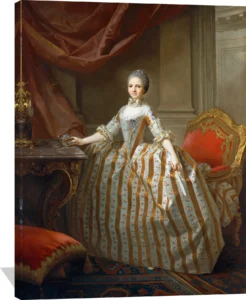
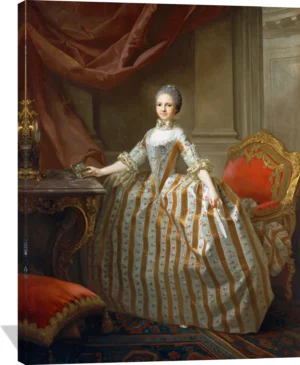
Well-versed in mythological, historical, and religious subjects, Pécheux excelled in narrative compositions that conveyed both emotional restraint and dramatic clarity. He also produced distinguished portraiture, capturing sitters with a poised naturalism that highlighted status without sacrificing individuality. Whether depicting classical narratives or devotional scenes, his paintings consistently reflect a thoughtful engagement with academic principles and an enduring respect for antiquity.
Cultural and Historical Significance
Pécheux spent a significant portion of his career in Italy, where he contributed to the intellectual and artistic exchanges between French and Italian academies. His role in Turin, particularly through teaching and mentorship, helped shape the next generation of artists in Piedmont. Today, his work stands as a testament to the evolution of European painting in a period marked by philosophical transformation, artistic refinement, and the reawakening of classical ideals.
Recognized for his elegant restraint and his mastery of classical composition, Laurent Pécheux remains an important figure for collectors and admirers of 18th‑century European art.