Artistic Style
Breton’s work is defined by its harmonious blend of Realist precision and gentle idealization. His compositions often feature warm, golden light and carefully balanced forms, giving everyday scenes a serene, almost lyrical presence. This distinctive fusion helped him stand out during an era increasingly marked by artistic experimentation.
Subjects and Themes
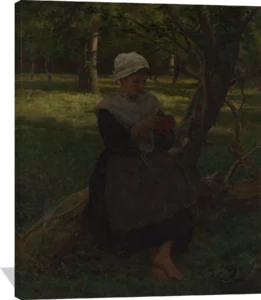
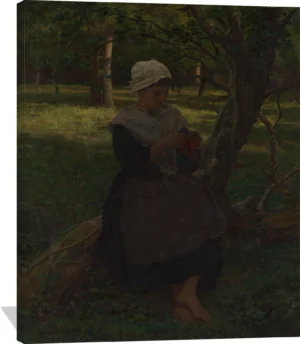
He is best known for portraying peasant women at work or in moments of contemplation, frequently set against expansive landscapes at dawn or dusk. Paintings such as The Song of the Lark exemplify his gift for transforming simple rural motifs into emotionally resonant imagery. His figures appear grounded in the physical world yet touched by a quiet, spiritual radiance.
Legacy
Breton played a significant role in shaping 19th‑century French painting through his commitment to elevating rural subjects with sincerity and depth. His art offered urban audiences a respectful, humanizing vision of country life and contributed meaningfully to the period’s broader interest in social and agricultural themes. Today, he remains admired for his masterful use of light and his ability to infuse humble scenes with enduring poetic power.