Artistic Style
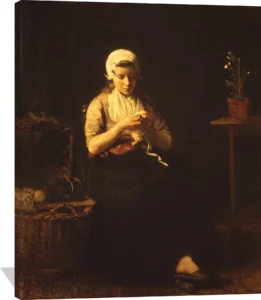
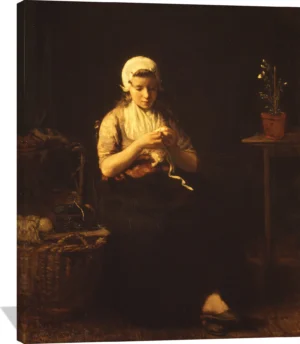
Israëls developed a poetic realist approach characterized by soft tonal harmonies, atmospheric light, and a contemplative mood. His palette often embraced muted earth tones, enhancing the sense of sincerity and humility in his scenes. This introspective style, combined with his keen observational skill, secured his reputation as a leading voice in nineteenth‑century Dutch realism.
Subjects and Themes
He is best known for intimate depictions of coastal communities, portraying moments of work, rest, endurance, and tenderness. Whether showing fishermen returning from sea or families gathered in modest interiors, Israëls infused ordinary subjects with profound humanity. Works such as Alone in the World and The Fisherman’s Family exemplify his ability to elevate simple narratives into universal reflections on resilience and hope.
Legacy
Often regarded as the “Dutch Millet,” Israëls played a pivotal role in shaping modern Dutch painting. His commitment to portraying real people with dignity influenced generations of artists and helped define the character of the Hague School. Today, he is remembered as a master whose deeply empathetic realism and subtle handling of light continue to resonate with collectors and admirers worldwide.