Artistic Style
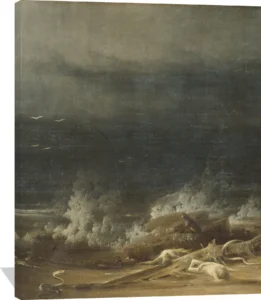
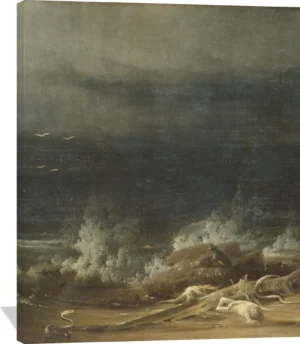
Shaw’s style blends British landscape traditions with the emerging American aesthetic of the early nineteenth century. His compositions often balance natural drama with measured refinement, using atmospheric light, expansive skies, and carefully structured terrain to heighten emotional resonance. He favored clarity of form and a sense of openness that later became central to American landscape painting.
Notable Contributions
Shaw is closely associated with the development of early American landscape art and is recognized for initiating one of the first large-scale efforts to document the country’s natural scenery. His project, Picturesque Views of American Scenery, helped establish a visual record of the young nation and influenced later artists who embraced the landscape as a subject of national pride. He was also an inventor, credited with improvements to firearms and artistic tools, reflecting his resourceful and experimental spirit.
Subjects and Themes
His paintings frequently depict river valleys, rural settings, and dramatic cloud-filled skies. Shaw’s sensitivity to weather and atmosphere gives his work a distinctive sense of movement and immediacy. His landscapes often convey a dialogue between wilderness and settlement, capturing the tension and promise of America’s rapidly changing terrain.
Cultural Significance
As an immigrant artist who embraced his adopted country, Shaw played a meaningful role in shaping the early national visual identity. His efforts to chronicle American scenery positioned him as a foundational figure in the era before the Hudson River School. Today, his work is valued for its historical insight, artistic refinement, and its contribution to the evolution of American landscape painting, making him a pivotal early voice in the nation’s artistic heritage.