Artistic Style
Trego’s style aligns with the realism and naturalistic tendencies that shaped American art in the mid‑1800s. His compositions favor clarity, balanced structure, and attentive detail. Whether depicting landscapes, figures, or domestic environments, his paintings convey a steady, observant approach that allows the subject to speak through form, light, and texture.
Subjects and Themes
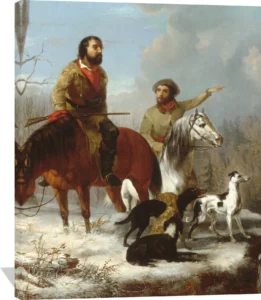
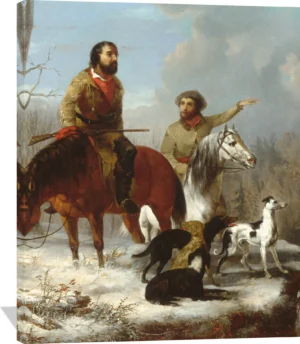
Trego often gravitated toward subjects rooted in daily life and the American landscape. His works reflect an appreciation for quiet moments and lived experience, capturing the character of his surroundings with measured control. This focus on the familiar rendered with sincerity rather than embellishment gives his paintings an enduring sense of presence.
Historical Significance
Working during a period of expanding artistic identity in the United States, Trego contributed to the broader movement of painters who helped define a distinct American visual culture. His career intersects with a transformative era, when artists sought to document the nation’s environments and communities with increasing nuance and authenticity.
Legacy
Although not widely publicized in his time, Jonathan K. Trego’s work offers insight into the quieter, often overlooked corners of nineteenth‑century American art. His legacy endures through the subtlety of his vision and his commitment to depicting the world with honesty and clarity, qualities that continue to resonate with modern audiences and collectors.