Artistic Style and Approach
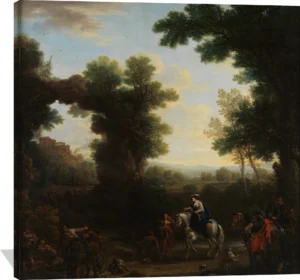
Wootton’s paintings are distinguished by their harmonious compositions, refined naturalism, and a graceful handling of movement. His landscapes often feature balanced spatial depth and atmospheric light, while his horse portraits reveal an attentive study of anatomy and character. A subtle elegance permeates his work, marking him as a key predecessor to later British sporting artists.
Notable Subjects and Contributions
Best known for his scenes of racing, hunting, and meticulously rendered horses, Wootton elevated sporting art into a respected genre. His portrayals of Thoroughbreds and aristocratic sporting life set enduring visual standards for the field. Works such as his celebrated racehorse portraits and expansive landscape settings showcased his ability to blend action with serenity, helping to define the aesthetic that dominated British sporting imagery throughout the eighteenth century.
Cultural and Historical Significance
Wootton’s career unfolded during a period when Britain’s fascination with horse racing, country estates, and refined leisure was rapidly expanding. His paintings served as both documentation and celebration of this culture, shaping how the era was visually remembered. As one of the early masters of British sporting art, he influenced subsequent generations and contributed to the rise of a distinctly national artistic identity.
Enduring Appeal
Today, Wootton’s works are admired for their clarity, poise, and distinctive blend of landscape and portraiture. His ability to capture the vitality of horses and the elegance of rural life continues to resonate, securing his place as a foundational figure in British sporting art whose legacy endures in collections across the world.