Artistic Style
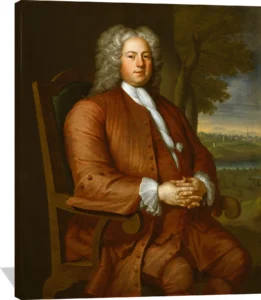
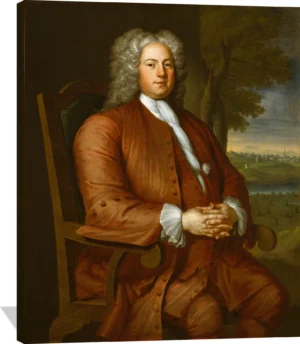
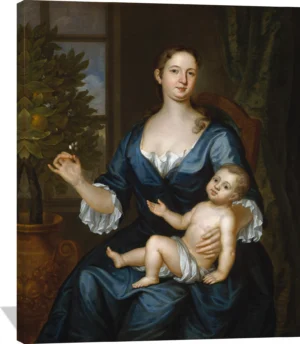
Smibert’s work is marked by a balanced blend of Baroque influence and measured naturalism. His portraits feature carefully modeled forms, a controlled color palette, and a poised sense of composition that communicates both dignity and presence. Through this approach, he helped establish the visual vocabulary of early American portraiture, offering a level of sophistication that was new to the colonies.
Subjects and Themes
Best known for his portraits of civic leaders, merchants, intellectuals, and clergy, Smibert captured the faces of the emerging American elite. His subjects appear with a quiet gravitas, often set against restrained backgrounds that emphasize character over ornament. Works such as his celebrated group portrait The Bermuda Group reveal his ability to articulate social identity and intellectual aspiration, qualities that became hallmarks of his mature style.
Contributions and Significance
Smibert played a pivotal role in shaping early American art culture. Upon settling in Boston, he opened a studio and later a public gallery, exposing viewers to European masterworks and serving as an important conduit of artistic knowledge. His teachings, approach to portraiture, and collection of prints and paintings influenced a generation of artists, including the young John Singleton Copley. Through these efforts, he became a foundational figure in the development of American painting.
Legacy
Today, Smibert is recognized for introducing a level of technical refinement and expressive depth that profoundly impacted colonial visual culture. His paintings remain valued for their clarity, composure, and the subtle yet powerful sense of humanity they convey. As a pioneering transatlantic artist whose work bridged cultures, Smibert’s legacy endures as a testament to the early formation of an American artistic identity, anchored by his dedication to craftsmanship and his role in shaping the nation’s first sustained portrait tradition.