Artistic Style
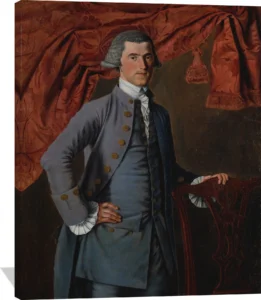
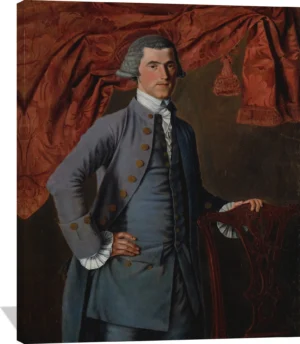
Mare’s portraits are distinguished by their clear draftsmanship, precise modeling of facial features, and balanced compositions. He favored warm, naturalistic color palettes and a measured attention to textiles and accessories, creating images that conveyed both realism and quiet dignity. His approach reflects the stylistic transition from colonial simplicity to a more polished aesthetic influenced by British painting traditions.
Notable Contributions
Mare was among the early American artists who helped shape a distinctly local portrait tradition, contributing to the visual history of the Revolutionary era. His works often serve as some of the most accurate visual records of key individuals in regional political, mercantile, and social circles. Though primarily a portrait painter, he also produced civic commissions and occasional symbolic or allegorical elements within his compositions, underscoring his versatility.
Subjects and Significance
Typical subjects include merchants, shipowners, community leaders, and their families, portrayed with a calm confidence befitting their roles in colonial society. Mare’s art provides valuable insight into clothing, interior settings, and the cultural aspirations of the period. Today, his portraits hold enduring significance for their documentary value and their contribution to the foundation of American painting.
Mare’s legacy rests in his ability to convey character with subtlety and restraint, establishing him as a key figure in early American portraiture whose works continue to resonate for their authenticity and historical depth.