Artistic Style
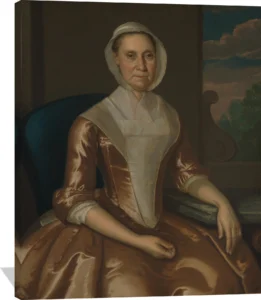
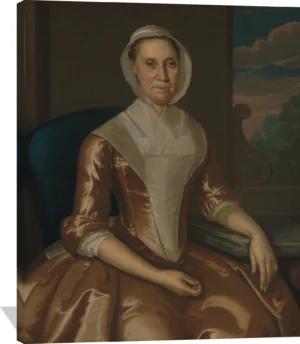
Hesselius blended English portrait traditions with a distinctly colonial sensibility. His paintings often feature soft modeling, balanced proportions, and a warm, dignified presence. Influenced by artists such as Robert Feke and his own father, Gustavus Hesselius, he refined a style marked by clarity, composure, and subtle elegance. His palette favored gentle contrasts and polished surfaces, contributing to works that feel both intimate and formal.
Subjects and Themes
Best known for his portraits of prominent families, Hesselius captured the rising social elite of 18th‑century America. His sitters, often portrayed in genteel poses and fashionable attire, embodied the aspirations of a developing colonial society. These compositions reveal not only personal likenesses but also the cultural values of refinement, status, and continuity cherished by the period.
Notable Contributions
Hesselius played a key role in shaping early American portraiture. At a time when professionally trained artists were scarce in the colonies, he provided a level of craftsmanship that elevated local expectations for fine art. His work helped bridge the gap between European artistic conventions and the emerging American aesthetic, contributing to the foundation of a distinctive cultural identity.
Legacy
Today, John Hesselius is recognized for his significant influence on colonial American art and for preserving through his portraits an invaluable record of 18th‑century life. His paintings remain appreciated for their poised beauty, their historical resonance, and their contribution to the evolution of American portraiture.