Artistic Style
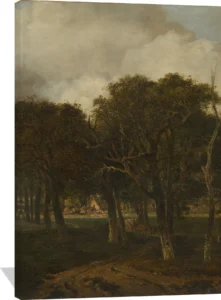
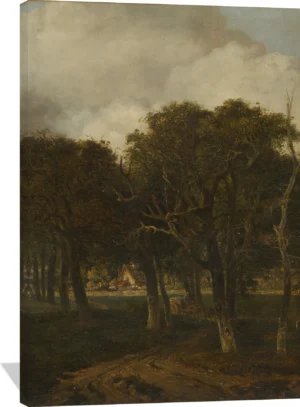
Crome’s paintings are celebrated for their quiet naturalism, atmospheric restraint, and sensitive observation of the English countryside. Often working directly from nature, he favored a grounded, earthy palette and a clarity of light that revealed the subtle drama of ordinary rural settings. His technique reflects a deep admiration for Dutch seventeenth‑century masters, particularly in the way he captured the mood of skies, foliage, and water.
Subjects and Themes
His work frequently depicts the rivers, woodlands, and commons around Norwich, portraying them with a sense of authenticity and affection. Scenes such as Mousehold Heath or The Poringland Oak exemplify his interest in the interplay of weather, terrain, and daily life. Whether painting a tranquil pond or a sweeping heath, Crome conveyed the enduring character of the English landscape without romantic excess.
Legacy and Significance
Crome’s impact extends far beyond his own canvases. As a teacher and key organizer within the Norwich artistic community, he nurtured a generation of painters who continued the school’s commitment to regional identity and truthful observation. His work stands today as a testament to the power of place in British art and to a vision of nature rendered with sincerity, precision, and understated beauty.