Artistic Style
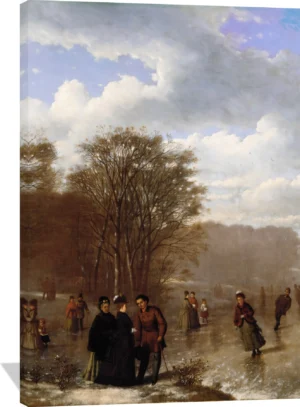
Culverhouse is best known for his refined handling of light and texture, hallmarks of the Dutch realist tradition. His palette often favors soft, natural tones that heighten the quiet mood of his compositions. He excelled at creating serene, contemplative atmospheres, bringing a sense of poetry to scenes drawn from ordinary moments.
Subjects and Themes
His paintings frequently depict household interiors, intimate family gatherings, and rural activities, capturing the rhythms of daily life with careful observation. Figures are rendered with empathy, and objects within the scene furniture, fabrics, tools are portrayed with exceptional precision. These details allow the viewer to feel immersed in the world he paints, reflecting the artist’s strong command of narrative realism.
Legacy and Significance
Culverhouse’s work stands out for its balance of technical mastery and emotional subtlety. Although not widely publicized in his lifetime, he left a body of work that contributes meaningfully to the understanding of nineteenth‑century Dutch genre painting. His ability to elevate simple domestic settings into works of quiet beauty remains his most enduring achievement, securing his place as a painter whose vision of everyday life feels both authentic and timeless.