Artistic Style
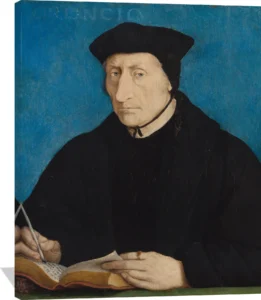
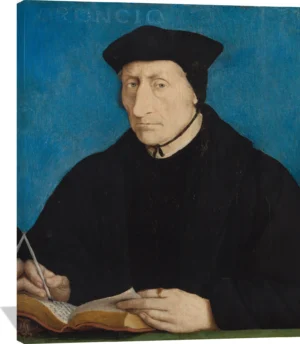
Clouet’s portraits are distinguished by their meticulous linear precision, delicate modeling of flesh tones, and subtle psychological depth. His drawings, often executed in fine metalpoint or chalk, reveal an exceptional command of contour and proportion. The resulting images balance elegance and realism, capturing both likeness and the quiet presence of his sitters.
Subjects and Themes
Working closely with the French royal court, Clouet portrayed monarchs, nobles, diplomats, and cultural figures. His sitters are typically shown with poised restraint, rendered with an intimacy that highlights personal character rather than overt grandeur. Though primarily known for portraiture, his preparatory studies and workshop influence contributed significantly to the broader visual culture of the period.
Legacy and Significance
Jean Clouet’s work laid the foundation for what would become the prestigious Clouet family workshop, continued by his son, François Clouet. His portraits remain essential records of Renaissance France, not only for their aesthetic refinement but also for their historical value. Through his precise draftsmanship, controlled composition, and nuanced realism, Clouet helped define a distinctly French portrait tradition that bridged the Gothic past with the emerging humanist ideals of the Renaissance.
Today, Jean Clouet is celebrated as a master whose understated yet remarkably expressive approach continues to influence the appreciation of early French portraiture.