Artistic Style
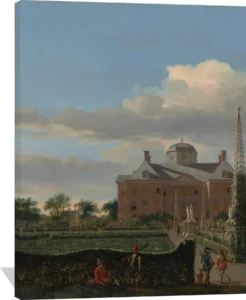
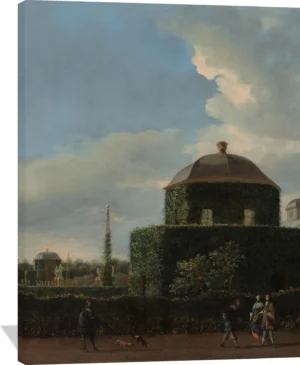
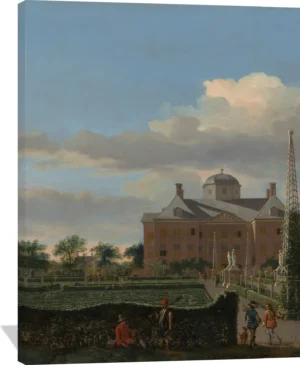
Van der Heyden’s work is defined by its exceptional exactitude. His paintings feature finely rendered masonry, crisp linear perspective, and serene, luminous atmospheres. He elevated architectural painting to new heights, blending documentary accuracy with a quiet, almost poetic refinement. His surfaces reveal a near-miniaturist attention to detail, making his style instantly recognizable.
Subjects and Themes
He is best known for his views of Amsterdam’s canals, churches, and public squares, but he also depicted sites across the Netherlands and Germany. These works often present carefully balanced compositions where architecture takes center stage, softened by gentle light and understated human activity. His cityscapes convey both the civic pride and the everyday rhythm of seventeenth-century urban life.
Notable Contributions
Beyond painting, van der Heyden achieved distinction as an inventor and designer of early firefighting equipment. Though separate from his artistic practice, this technical expertise informed his analytical eye and strengthened his reputation as a keen observer of the built environment. He became widely admired for his ability to render buildings with unmatched clarity and for his contribution to shaping the Dutch tradition of architectural painting.
Cultural Significance
Van der Heyden’s works embody the prosperity and urban sophistication of the Dutch Golden Age. His city views remain prized for their harmonious blend of realism and quiet elegance, establishing him as one of the period’s most influential architectural painters. Today, collectors value his paintings for their refined detail, atmospheric subtlety, and their role in capturing the enduring character of the historic European city.