Artistic Style and Approach
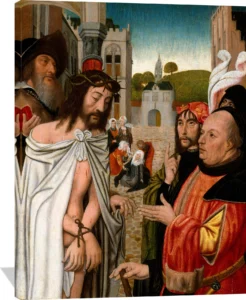
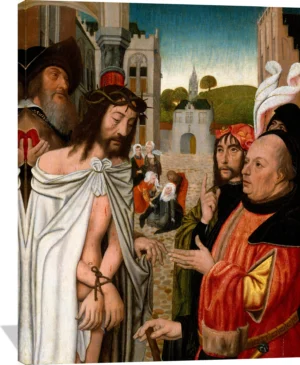
Mostaert’s paintings are characterized by smooth, luminous surfaces, delicate modeling, and an attentive handling of landscape elements. His figures often possess a serene, elongated grace, reflecting both earlier Netherlandish traditions and the evolving aesthetic trends of his time. He favored balanced compositions, understated symbolism, and a measured use of color, qualities that distinguish his work within the broader Northern Renaissance movement.
Subjects and Notable Contributions
Mostaert excelled in devotional imagery and portraiture, producing altarpieces, Marian scenes, and portraits of courtly sophistication. His landscapes, often infused with soft atmospheric gradients, demonstrate an early interest in natural observation. Although few of his works survive, paintings such as the evocative historical scene The Discovery of America reveal his gift for narrative clarity and imaginative interpretation. His portraits, meanwhile, convey a quiet psychological presence that speaks to his sensitivity as an observer.
Cultural and Historical Significance
As a prominent figure associated with the Haarlem school, Mostaert contributed to the shaping of Netherlandish visual culture during a period of artistic transition. Serving for more than two decades as court painter to Margaret of Austria, he gained prestige for his refined craft and intellectual approach to imagery. His work reflects the cultural richness of the early 1500s, merging devotional purpose with emerging humanist interests. Today, he is remembered as a painter whose precise technique and atmospheric vision helped define the subtle yet powerful beauty of early 16th‑century Netherlandish art.