Artistic Style
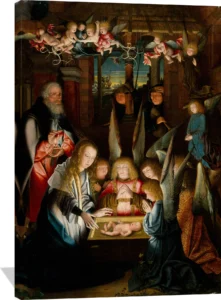
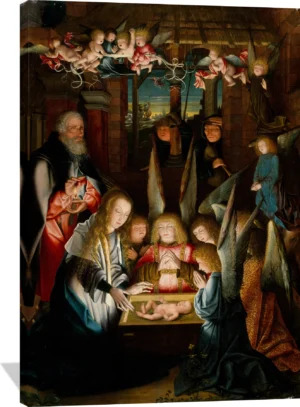
Joest’s paintings are distinguished by their luminous color harmonies, detailed rendering of fabrics and architecture, and deeply humanized sacred figures. His technique reflects the precision of Northern European panel painting, where controlled light, crisp contours, and sensitive modeling come together to heighten emotional presence. This blend of clarity and warmth gives his work a distinctive visual resonance.
Subjects and Themes
Religious narratives form the core of Joest’s surviving oeuvre, particularly scenes from the Life of Christ and the Virgin. His celebrated altarpiece panels demonstrate a narrative clarity that invites viewers into carefully constructed spaces filled with symbolic detail. Saints, biblical protagonists, and everyday figures coexist in compositions that emphasize both spiritual devotion and lived experience.
Legacy and Significance
Jan Joest’s work marks an important moment in the artistic transition between Gothic conventions and the more naturalistic tendencies of the Renaissance. His influence is visible in the next generation of Lower Rhine artists, and his ability to merge technical precision with emotional depth has secured his place in Northern European art history. Today, Joest is admired for his role in shaping the region’s visual culture and for the enduring serenity and human authenticity that define his paintings.