Artistic Style
Gossart is celebrated for merging the meticulous detail of the Northern tradition with the classical ideals he encountered during travels to Italy. His compositions often display a refined balance of sculptural human forms, crisp contours, and luminous color, reflecting his deep engagement with antiquity. This synthesis positioned him among the first Northern artists to explore a fully Renaissance idiom.
Subjects and Themes
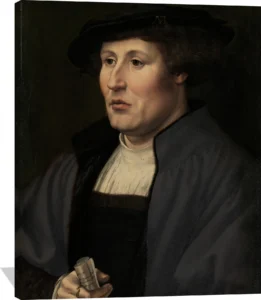
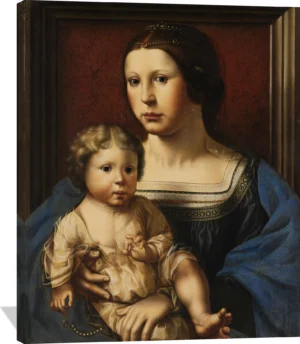
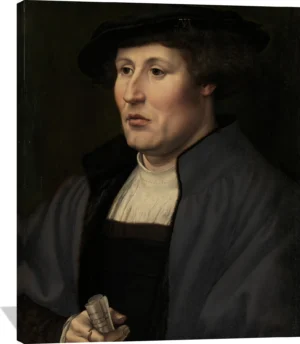
His oeuvre includes devotional scenes, mythological subjects, and courtly portraiture. Gossart’s religious works, such as depictions of the Virgin and Child or saints, are marked by emotional nuance and richly textured settings. Meanwhile, his mythological paintings reveal a mastery of the nude, rendered with both anatomical clarity and sensual elegance. Portraits attributed to him exhibit psychological presence and exquisite attention to costume and jewelry.
Legacy and Significance
Gossart’s contribution to art history lies in his role as a cultural bridge between Northern Gothic traditions and the emerging Renaissance style. His works demonstrate a sophisticated understanding of classical motifs, helping to establish a new visual language for painters in the Low Countries. Today, he is recognized for his innovative fusion of Northern detail with Italian humanism, as well as his influence on subsequent generations of Netherlandish artists.