Artistic Style
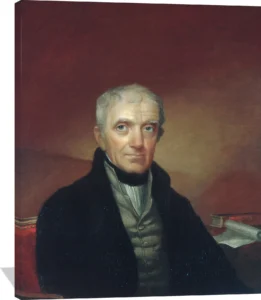
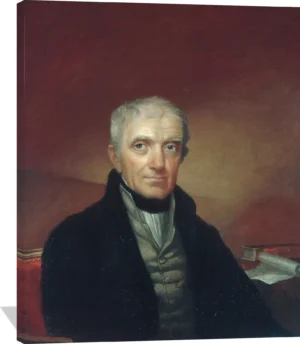
Frothingham’s work is characterized by polished draftsmanship, soft modeling of facial features, and a balanced use of light that brings a quiet vitality to his portraits. His palette leaned toward gentle, natural tones, giving his compositions an understated sophistication that resonated with the growing American middle class. His ability to convey subtle emotional presence made his paintings particularly sought after during his career.
Subjects and Themes
Specializing in portraiture, Frothingham depicted distinguished citizens, politicians, and affluent families of New England. He often emphasized the dignity and character of his subjects rather than ornate settings, creating images that feel intimate yet timeless. This focus on personal presence over grand embellishment is one of the hallmarks that makes his work distinctive within early American art.
Contributions and Significance
As a contemporary of artists such as Gilbert Stuart, Frothingham contributed to shaping the visual identity of the young United States during a period when formal portraiture served as an essential cultural record. His paintings provide valuable insight into social ideals, fashion, and the rising civic pride of the era. While he did not seek public prominence, his steady craftsmanship and refined sensibility positioned him as a respected portraitist within regional artistic circles.
Legacy
Today, Frothingham’s portraits continue to be appreciated for their clarity, warmth, and nuanced observation. Museums and private collections value his work for its historical resonance and its testament to the evolving American artistic tradition. His legacy endures through paintings that offer a compelling window into the lives and identities of nineteenth‑century America, embodying a quiet mastery that remains influential.