Artistic Style
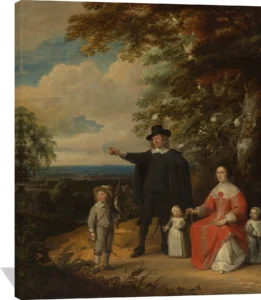
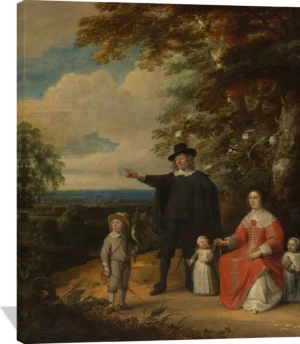
D’Arthois specialized in expansive woodland landscapes rendered with a refined sense of depth, texture, and tonal harmony. His paintings often feature winding paths, ancient trees, and soft, luminous skies that guide the viewer’s gaze into the scene. Characterized by warm earth tones and balanced compositions, his work reflects the hallmarks of Flemish Baroque naturalism while maintaining a distinctive serenity. His workshop’s output was highly influential, and his style helped define what collectors came to recognize as the Brussels forest landscape.
Notable Subjects
Typical subjects include dense forest interiors, rustic clearings, and gently animated scenes populated with travelers, hunters, or herders. These figures, often added by collaborating painters, serve to highlight the grandeur of the natural environment rather than dominate it. D’Arthois’s eye for detail moss on bark, filtered light, the rhythm of foliage imbues his landscapes with an immersive quality that made them sought‑after in his lifetime and beyond.
Cultural Significance
As one of the foremost landscape painters of his generation, Jacques d’Arthois contributed significantly to the development of forest landscape painting in Flanders. His Brussels workshop trained and influenced numerous artists, extending his impact well into the late 17th century. His works remain admired for their poetic atmosphere and their ability to convey both the majesty and tranquility of the northern European countryside.